temperature winter layering guide
Navigating winter’s chill demands a strategic approach to clothing․ This guide details how to effectively layer for varying temperatures, ensuring comfort and protection against the elements․
Understanding the Core Principles of Winter Layering
The foundation of winter warmth lies in understanding the layering system․ This isn’t simply about piling on clothes; it’s a carefully considered approach to trapping air and managing moisture․ The core principle revolves around three layers: base, mid, and outer․ Each serves a distinct purpose, working synergistically to regulate body temperature․
Base layers wick away sweat, keeping skin dry – crucial for preventing chills․ Mid-layers provide insulation, trapping warm air․ Outer layers shield against wind and precipitation․ The key is adaptability; you should be able to add or remove layers as conditions change or activity levels fluctuate․
Effective layering acknowledges that your body generates heat during activity, and excess moisture can quickly lead to discomfort and even hypothermia․ Therefore, breathability is paramount․ Choosing the right materials for each layer is vital, considering factors like temperature, windchill, and exertion level․ Preparing for the “Winter is Coming” scenario means proactively adjusting your layers throughout the day․
The Importance of Base Layers
Base layers are the unsung heroes of winter warmth, acting as the foundation of your entire layering system․ Often overlooked, these next-to-skin garments are critical for moisture management and overall comfort․ Their primary function isn’t to provide significant insulation, but rather to wick away sweat – the body’s natural cooling mechanism․
When you sweat, that moisture reduces the effectiveness of your insulating layers, leading to chills․ A good base layer prevents this by drawing perspiration away from your skin, allowing it to evaporate or transfer to the mid-layer․ This keeps you dry and comfortable, even during strenuous activity․
The outer shell relies on the base layer to function effectively․ Choosing the right base layer material – merino wool or synthetics – is crucial, depending on your activity level and the expected conditions․ It’s the piece that decides whether your day goes well, setting the tone for warmth and dryness throughout your winter adventures․
Base Layer Materials: Merino Wool vs․ Synthetics

Choosing between merino wool and synthetic base layers depends on your needs and preferences․ Merino wool is a natural fiber renowned for its exceptional warmth, breathability, and odor resistance․ It feels soft against the skin and can regulate temperature effectively, keeping you warm when it’s cold and cool when it’s warm․ However, it’s generally more expensive and takes longer to dry than synthetics․
Synthetic base layers, typically made from polyester or polypropylene, excel at moisture-wicking and quick-drying․ They are a more affordable option and perform well during high-intensity activities where you’re likely to sweat profusely․ While they don’t offer the same level of natural odor control as merino wool, many synthetic options now include antimicrobial treatments․
Consider your activity level: for low-intensity activities in cold conditions, merino wool is an excellent choice․ For high-intensity activities or situations where quick-drying is paramount, synthetics are preferable․
Mid-Layer Options: Fleece, Down, and Synthetic Insulation
The mid-layer is crucial for trapping warmth and providing insulation․ Fleece is a popular choice, offering excellent warmth-to-weight ratio, breathability, and quick-drying properties․ It remains warm even when damp, making it suitable for a range of conditions․ Different fleece weights provide varying levels of insulation – from lightweight for moderate temperatures to heavyweight for colder conditions․
Down insulation is incredibly warm for its weight and highly compressible, making it ideal for backpacking or situations where space is limited․ However, it loses its insulating ability when wet, so it’s best paired with a waterproof outer layer․

Synthetic insulation, like PrimaLoft, mimics the warmth of down but retains its insulating properties even when wet․ It’s a versatile option for damp climates or activities where you anticipate getting wet․ Choosing the right mid-layer depends on the expected temperature, activity level, and potential for moisture․
Insulation Levels for Different Temperatures
Determining the appropriate insulation level is key to staying comfortable․ For mild winter temperatures (30-40°F), a lightweight fleece or a thin down/synthetic jacket as a mid-layer is usually sufficient․ Focus on moisture-wicking base layers to prevent chills․
Cold winter temperatures (10-30°F) require a more substantial mid-layer․ A thicker fleece, a mid-weight down jacket, or a synthetic insulated jacket will provide adequate warmth․ Consider adding a vest for core warmth․
Extremely cold temperatures (below 10°F) demand maximum insulation․ Layer a heavier down or synthetic jacket over a fleece or wool mid-layer․ Prioritize full coverage and wind protection․ Don’t underestimate the importance of a well-insulated outer shell․ Adjust layers based on activity level – add or remove insulation as needed to avoid overheating or getting cold․
Outer Layer: Choosing a Waterproof and Windproof Shell
The outer layer is your primary defense against the elements․ Selecting a waterproof and windproof shell is crucial, especially in unpredictable winter conditions․ This layer shields you from rain, snow, and biting winds, preventing heat loss and maintaining dryness․
Look for jackets constructed with waterproof fabrics like Gore-Tex or similar technologies․ These materials offer excellent protection while allowing some breathability․ A Durable Water Repellent (DWR) finish enhances water resistance․
Windproof qualities are equally important, as wind can quickly strip away body heat․ Ensure the shell has a snug fit around the wrists and neck to prevent drafts․ Features like a hood and adjustable cuffs further enhance protection․ Consider the shell’s durability and intended use – a heavier-duty shell is ideal for harsh conditions, while a lighter shell suits milder weather․
Understanding Waterproof Ratings and Breathability
Waterproof ratings and breathability are key factors when selecting an outer layer․ Waterproofing is measured in millimeters (mm), indicating the water column a fabric can withstand before leaking․ Higher numbers signify greater waterproofness; 10,000mm is considered highly waterproof, suitable for heavy rain and snow;
Breathability, measured in grams (g/m²/24h), indicates how much moisture vapor can pass through the fabric; Higher numbers mean better breathability, preventing sweat buildup and maintaining comfort during activity․ A rating of 10,000g/m²/24h is generally considered breathable enough for moderate activity․
Balancing waterproofness and breathability is essential․ Highly waterproof fabrics often sacrifice some breathability, while highly breathable fabrics may be less waterproof․ Consider your activity level and typical weather conditions when making your choice․ Look for fabrics with a balance that suits your needs, and remember that layering plays a vital role in moisture management․
Layering for Mild Winter Temperatures (30-40°F)
For temperatures between 30-40°F, a lighter layering system is sufficient․ Begin with a moisture-wicking base layer – merino wool or synthetic – to keep skin dry․ Add a mid-layer for insulation; a fleece jacket or lightweight down sweater provides warmth without bulk;
An outer shell is still recommended, even if it’s not fully waterproof․ A water-resistant and windproof jacket will protect against light precipitation and chilly breezes․ Focus on breathability to prevent overheating during activity․
Accessories are important too․ Lightweight gloves, a beanie, and a scarf offer additional warmth․ Consider wool or synthetic socks to keep your feet comfortable․ This layering approach allows for flexibility; you can easily remove a layer if you become too warm, ensuring comfort throughout the day․ Prioritize moisture management to stay dry and avoid chills․
Layering for Cold Winter Temperatures (10-30°F)
When temperatures drop to 10-30°F, a more robust layering strategy is crucial․ Start with a moisture-wicking base layer – merino wool is excellent for its warmth and odor resistance․ Add a heavier mid-layer for significant insulation; a thicker fleece or a down sweater are good choices․ Consider a second mid-layer for added warmth if needed․
A waterproof and windproof outer shell is essential․ Look for a jacket with a high waterproof rating and good breathability to prevent both wetness and overheating․ Ensure the shell has a hood for face and neck protection․
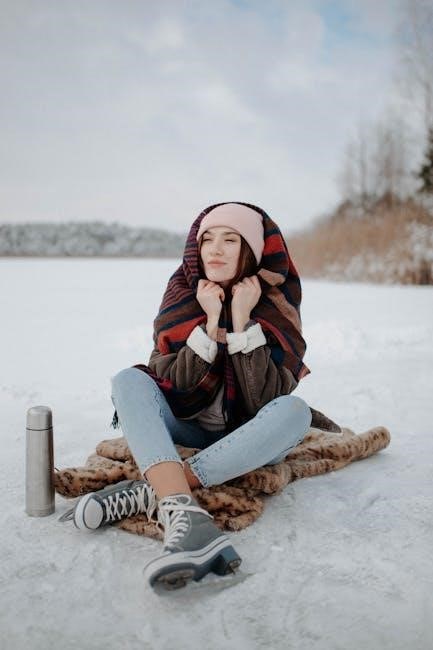
Don’t neglect extremities․ Wear insulated gloves or mittens, a warm hat that covers your ears, and a scarf or neck gaiter․ Thick, wool or synthetic socks are vital for keeping feet warm and dry․ Prioritize layering to adapt to changing conditions and activity levels, and remember to manage moisture effectively․
Layering for Extremely Cold Temperatures (Below 10°F)
Venturing into temperatures below 10°F demands maximum layering for survival and comfort․ Begin with a moisture-wicking base layer, prioritizing merino wool for superior warmth even when damp․ Add two mid-layers: a fleece for initial insulation, followed by a substantial down or high-loft synthetic layer for significant warmth retention․
Your outer shell must be exceptionally waterproof and windproof․ A parka-style jacket with a high waterproof rating and a fur-lined hood is ideal․ Ensure full coverage to prevent any exposed skin․
Protect extremities with extreme care․ Utilize insulated mittens (warmer than gloves), a thick, covering hat, and a face mask or balaclava․ Wear multiple pairs of socks – a thin liner sock paired with thick wool or synthetic socks – inside waterproof, insulated boots․ Hand and foot warmers can provide supplemental heat, and constant monitoring for frostbite is crucial․
The Role of Socks in Winter Warmth
Often underestimated, socks are pivotal for maintaining comfortable foot temperatures in winter․ Heat loss through the feet is significant, impacting overall body warmth․ The layering principle applies here: avoid a single, thick sock, as it can restrict circulation and worsen cold feet․
Start with a thin, moisture-wicking liner sock made of synthetic materials or merino wool․ This layer draws sweat away from the skin, preventing chilling․ Over this, add a thicker insulating sock – wool or synthetic blends are excellent choices, providing warmth even when damp․
Ensure your winter boots are appropriately sized to accommodate layered socks without constricting blood flow․ Avoid cotton socks, as they retain moisture and contribute to cold feet․ Consider waterproof and insulated boot options for added protection against snow and slush․ Regularly check your feet for signs of frostbite, especially during prolonged exposure to extreme cold․
Choosing the Right Winter Boots
Selecting appropriate winter boots is crucial for protection and comfort․ Consider the typical winter conditions you’ll encounter – snow depth, temperature, and activity level․ For milder winters and urban environments, waterproof leather or synthetic boots with moderate insulation may suffice․
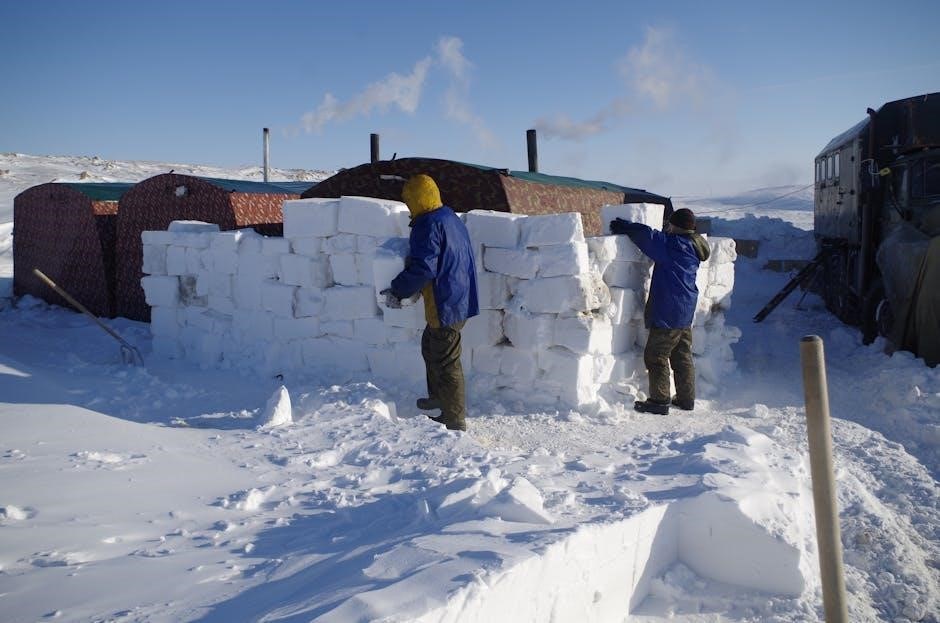
For colder temperatures and deeper snow, insulated boots with a higher waterproof rating are essential․ Look for boots with a removable felt liner for enhanced warmth and the ability to dry them separately․ The boot’s height matters; taller boots offer greater protection from snowdrifts․
Pay attention to the sole․ Deep, lugged soles provide superior traction on icy and snowy surfaces․ Ensure a comfortable fit, allowing room for thick socks without constriction․ Consider features like a gusseted tongue to prevent snow entry․ Regularly treat leather boots with a waterproofing agent to maintain their protective qualities․
Hand and Foot Warmers: When and How to Use Them
Hand and foot warmers are valuable additions to your winter layering system, particularly during prolonged exposure to extreme cold or for individuals prone to poor circulation․ They provide supplemental heat when layers alone aren’t enough․
Air-activated warmers are the most common type, offering up to 10 hours of warmth․ For extremely cold conditions, consider using both disposable and rechargeable options․ Place foot warmers on the insoles of your boots, over the toes, to maximize effectiveness․ Avoid direct skin contact to prevent burns․
Hand warmers can be slipped into gloves or mittens, or held directly in your hands․ Be mindful of battery-powered warmers; ensure they are fully charged before use․ Don’t rely solely on warmers; they are a supplement, not a replacement, for proper layering․ Use them strategically during static activities like ice fishing or prolonged outdoor observation․
Hats, Gloves, and Scarves: Protecting Extremities
Protecting your extremities – head, hands, and neck – is crucial in cold weather, as they are the first areas to lose heat; A significant amount of body heat escapes through the head, making a hat essential․ Choose a hat that fully covers your ears and forehead for maximum warmth;
Gloves or mittens are vital for maintaining dexterity and preventing frostbite․ Mittens generally provide more warmth than gloves, as fingers share heat․ Consider a layering system for gloves – a thin liner glove under a waterproof outer glove․ Scarves protect your neck and face from windchill․
Opt for materials like wool, fleece, or synthetic fabrics that retain warmth even when wet․ Ensure gloves and hats aren’t too tight, restricting circulation․ A balaclava offers comprehensive face and neck protection in extreme conditions․ Don’t underestimate the power of these accessories in your overall winter layering strategy․
Layering for Active Pursuits vs․ Static Activities
Your layering strategy should adapt to your activity level․ Active pursuits, like hiking or skiing, generate body heat, requiring fewer insulating layers than static activities like ice fishing or spectating․ When active, prioritize moisture-wicking base layers and breathable mid-layers to prevent overheating and sweat buildup․
A softshell outer layer might suffice for high-intensity activities, offering wind resistance and some water repellency․ For static activities, focus on maximizing insulation with thicker mid-layers and a waterproof, windproof outer shell․ Avoid cotton, as it retains moisture and chills the body․
Consider venting options – zippers, pit zips – to regulate temperature during activity․ Pack an extra insulating layer for breaks or when activity levels decrease․ The key is to stay warm without becoming sweaty, adjusting layers proactively based on exertion and environmental conditions․
Moisture Management: Avoiding Sweat and Staying Dry
Effective moisture management is paramount in winter layering․ Sweat, even in cold temperatures, can quickly lead to chilling and hypothermia․ The layering system’s primary goal is to wick moisture away from your skin, keeping you dry and comfortable․
Begin with a moisture-wicking base layer – merino wool or synthetic fabrics are ideal․ These materials pull sweat away from your skin, allowing it to evaporate or transfer to the next layer․ Avoid cotton at all costs, as it absorbs moisture and remains wet, drastically reducing its insulating properties․
Breathable mid-layers and outer shells are crucial for allowing moisture vapor to escape․ Venting options, like pit zips on jackets, provide additional control․ Regularly adjust layers to prevent overheating and subsequent sweating․ Prioritizing dryness is fundamental to maintaining warmth and preventing dangerous conditions․
The “Winter is Coming” Mentality: Preparation is Key
Embrace a proactive mindset when facing winter weather – preparation is non-negotiable․ Don’t wait for the first snowfall to assess your winter wardrobe; a preemptive inventory and upgrade are essential․ Consider the range of temperatures and activities you’ll encounter throughout the season․
Gather all your layers and inspect them for wear and tear․ Ensure waterproof coatings are still effective and insulation hasn’t compressed․ Replenish any missing pieces, focusing on quality over quantity․ Having a versatile layering system allows you to adapt to rapidly changing conditions․
Familiarize yourself with weather forecasts and potential hazards․ Pack extra layers, especially when venturing into remote areas․ A well-prepared individual is a safe and comfortable individual, ready to face whatever winter throws their way․ Anticipate the cold, and you’ll conquer it․
Adjusting Layers Throughout the Day
Winter temperatures fluctuate, and your layering system should be dynamic, not static․ Avoid overheating and subsequent sweating by proactively adjusting your clothing throughout the day․ This is crucial for maintaining comfort and preventing chills․
Monitor your body temperature and activity level․ If you begin to sweat during activity, remove a layer – typically a mid-layer like fleece – to increase ventilation․ Conversely, if you feel cold, add a layer before shivering sets in․ Small adjustments are more effective than drastic changes․
Pay attention to changes in weather conditions․ A sudden drop in temperature or increase in wind requires adding insulation․ Keep a lightweight, packable layer readily accessible for quick deployment․ Mastering this skill ensures optimal thermal regulation and a more enjoyable winter experience․

Common Layering Mistakes to Avoid
Effective layering isn’t simply piling on clothes; common errors can negate its benefits․ A frequent mistake is over-layering, leading to overheating and dampness from sweat․ Prioritize breathability and avoid bulky, restrictive garments․
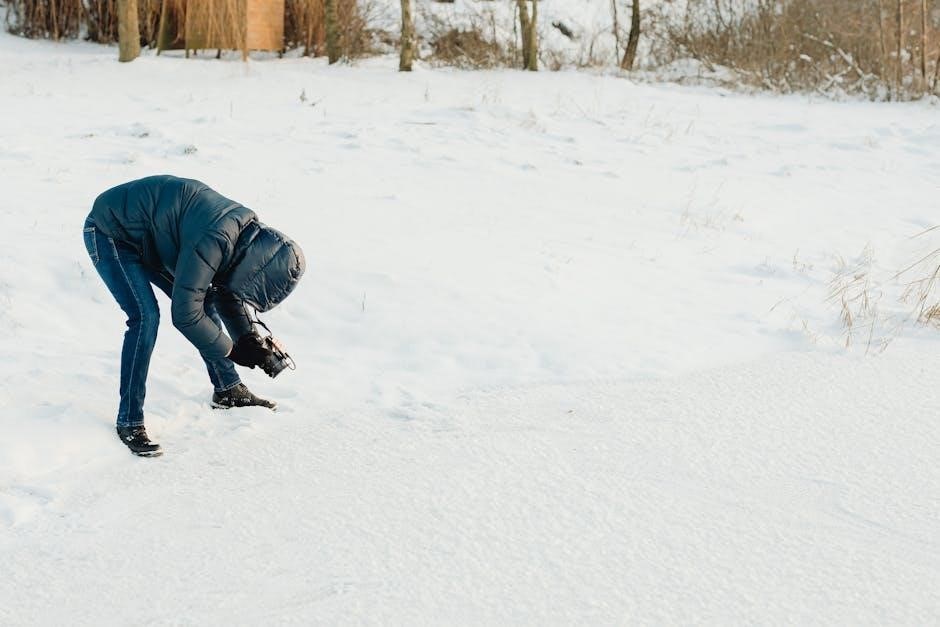
Another pitfall is neglecting moisture management․ Cotton base layers absorb sweat and remain wet, causing rapid cooling․ Opt for moisture-wicking materials like merino wool or synthetics․ Failing to protect extremities – hands, feet, and head – is also a common oversight, as significant heat loss occurs there․
Ignoring windproof and waterproof outer layers compromises protection․ A shell that isn’t adequately sealed allows cold air and moisture to penetrate․ Finally, don’t underestimate the importance of a proper fit; layers should allow for freedom of movement without being overly tight or loose․
Down vs․ Synthetic Insulation: Pros and Cons
Choosing between down and synthetic insulation for mid-layers is crucial․ Down offers exceptional warmth-to-weight ratio and compressibility, making it ideal for very cold conditions and backpacking․ However, it loses its insulating properties when wet and takes longer to dry․
Synthetic insulation, conversely, retains warmth even when damp, drying much faster than down․ It’s a more practical choice for activities with high moisture exposure, like snowshoeing or wet climates․ While generally bulkier and heavier than down for the same warmth level, advancements in synthetic technology are narrowing the gap․
Consider your activity level and expected conditions․ Down excels in dry, frigid environments, while synthetics are better suited for damp or unpredictable weather․ Cost is also a factor; down typically commands a higher price point․
The Impact of Windchill on Layering
Windchill dramatically alters how cold it feels, significantly impacting your layering strategy․ Wind strips away the insulating layer of warm air your body creates, accelerating heat loss․ A 20°F day with a 30 mph wind can feel like -10°F, demanding substantially more protection․
Prioritize a windproof outer layer․ This is non-negotiable in windy conditions․ Even well-insulated layers become ineffective if the wind penetrates․ Look for tightly woven fabrics or those with a windproof membrane․
Consider adding an extra mid-layer on windy days․ Boosting your insulation provides a buffer against the increased heat loss․ Protect exposed skin – face, ears, and hands – with a balaclava, hat, and gloves․ Understanding windchill is vital for safe and comfortable winter adventures․
Layering for Different Body Types
Effective layering isn’t one-size-fits-all; it must adapt to individual body types․ Those with lower body fat generally feel the cold more intensely and require more insulation․ Prioritize thicker base and mid-layers, and don’t skimp on the outer shell․
Individuals who tend to overheat should focus on breathable layers and utilize venting features in their outer shell․ Opt for lighter base layers and consider a fleece instead of bulky down․ Adjust layers frequently to prevent sweating․
Larger body types may generate more internal heat but also have a greater surface area for heat loss․ A balanced approach is key – sufficient insulation without excessive bulk․ Pay attention to core temperature regulation and ensure adequate coverage․ Experiment to find what works best for your body․
Winter Layering for Urban Environments
City winters present unique layering challenges․ Unlike consistent outdoor cold, urban areas involve temperature fluctuations – chilly streets, heated buildings, and damp subway platforms․ Prioritize versatility and adaptability․ A waterproof and windproof outer shell is crucial for battling gusts and unexpected precipitation․
Focus on moisture-wicking base layers to manage sweat from brisk walking or public transport․ A lightweight, packable mid-layer like fleece offers warmth without bulk․ Avoid overly insulated options that can cause overheating indoors․
Consider style and practicality․ Choose layers that integrate seamlessly with your urban wardrobe․ A stylish, insulated jacket can replace a bulky coat․ Don’t forget accessories – a scarf protects against wind, and gloves keep hands warm while navigating touchscreens․ Be prepared to adjust layers frequently throughout the day․
Winter Layering for Outdoor Adventures
Outdoor adventures demand a robust layering system․ Unlike urban settings, conditions can change rapidly, requiring adaptability and protection from extreme cold, wind, and moisture․ Prioritize waterproof and breathable outer layers to shield against snow, rain, and windchill․
Invest in high-quality base layers – merino wool or synthetic materials are essential for wicking away sweat during strenuous activity․ Mid-layers should provide substantial insulation; down or synthetic fill offer excellent warmth-to-weight ratios․ Consider multiple mid-layer options for varying levels of activity․
Pack extra layers, even for short excursions․ A lightweight puffy jacket or fleece can be a lifesaver if you become stationary․ Pay attention to extremities – insulated gloves, a warm hat, and waterproof boots are crucial․ Remember to adjust layers proactively to maintain comfort and prevent overheating or chilling․