

pediatric feeding assessment pdf
Pediatric feeding assessments‚ often documented as PDFs‚ are crucial for early intervention. Tools like EFS‚ NeoEAT‚ and PediEAT aid in identifying disorders and tracking progress.
A. Importance of Early Feeding Assessment
Early identification of feeding difficulties in infants and children is paramount for optimal development. Utilizing pediatric feeding assessment tools‚ often compiled into PDF records‚ allows for timely intervention‚ preventing potential long-term consequences. These assessments‚ such as the Early Feeding Skills Assessment Tool (EFS) and Neonatal Eating Assessment Tool (NeoEAT)‚ help pinpoint issues with oral motor skills‚ swallowing function‚ and behavioral patterns related to feeding;
Prompt assessment facilitates appropriate support from a multidisciplinary team – including Speech-Language Pathologists‚ pediatricians‚ and registered dietitians – ensuring nutritional needs are met. Documenting findings in PDF format streamlines information sharing and provides a comprehensive record of the child’s feeding journey‚ crucial for monitoring progress and adjusting interventions as needed. Ignoring early signs can lead to growth faltering‚ developmental delays‚ and increased parental stress.
B. Scope of Pediatric Feeding Disorders
Pediatric feeding disorders encompass a broad spectrum of challenges‚ ranging from difficulties with oral motor skills to behavioral issues at mealtimes. Comprehensive assessments‚ frequently documented as detailed PDF reports‚ are essential for accurate diagnosis; These disorders can manifest as poor weight gain‚ food refusal‚ selective eating‚ or difficulties with swallowing‚ impacting a child’s overall health and development.
Tools like the Pediatric Eating Assessment Tool (PediEAT) and Infant Eating Assessment Tool (InfantEAT)‚ often saved as PDFs for easy access‚ help quantify these challenges; Furthermore‚ underlying medical conditions‚ such as gastrointestinal reflux (assessed via the GIGER scale)‚ can significantly contribute to feeding difficulties. A thorough PDF-based assessment considers the interplay of these factors‚ guiding targeted interventions and improving outcomes.
C. Overview of Available Assessment Tools (PDF Focus)
Numerous assessment tools aid in evaluating pediatric feeding‚ with many generating reports readily saved as PDFs for streamlined documentation. The Early Feeding Skills Assessment Tool (EFS) and Neonatal Eating Assessment Tool (NeoEAT) focus on early development‚ while the Pediatric Eating Assessment Tool (PediEAT) extends to older children. These PDF-based assessments often include parent questionnaires and observational data.
The Infant Breastfeeding Assessment Tool (IBFAT) specifically evaluates breastfeeding‚ and the GIGER scale assesses gastrointestinal issues. Feeding Disorders Questionnaires‚ also commonly formatted as PDFs‚ provide a comprehensive overview of a child’s feeding history and behaviors. Utilizing PDFs ensures secure storage‚ easy sharing among professionals‚ and consistent record-keeping throughout the assessment process.

II. Key Assessment Areas in Pediatric Feeding
PDF-based assessments thoroughly evaluate oral motor skills‚ swallowing function‚ and behavioral feeding patterns. These areas are vital for identifying and addressing feeding challenges.
A. Oral Motor Skills Evaluation
Oral motor skills evaluation‚ frequently documented within a comprehensive pediatric feeding assessment PDF‚ is a cornerstone of identifying feeding difficulties. Speech-language pathologists (SLPs) often lead this assessment‚ observing crucial functions like lip closure‚ tongue movement‚ and jaw strength.
The PDF record should detail observations of sucking‚ chewing‚ and bolus formation. Assessing these skills helps determine if a child can safely and effectively manage different food textures. SLPs analyze feeding engagement‚ crying during feeds‚ and the volume consumed‚ all vital components recorded in the PDF. Bolus size and feeding method are also meticulously noted.
A well-structured PDF allows for clear documentation of both normal and impaired oral motor functions‚ guiding targeted interventions and tracking progress over time. This detailed record is essential for collaborative care.
B. Swallowing Function Assessment
Swallowing function assessment‚ a critical component of a pediatric feeding assessment PDF‚ determines the safety and efficiency of a child’s swallow. This evaluation identifies potential dysphagia – difficulty swallowing – which can lead to aspiration and nutritional deficiencies. Assessments often involve clinical observation during feeding trials‚ carefully documented within the PDF.
The PDF should detail observations of signs like coughing‚ choking‚ or wet vocal quality during and after swallowing. Gastrointestinal and gastroesophageal reflux (GIGER) scales‚ included in the PDF‚ help assess related issues.

Detailed notes on bolus transit time‚ residue presence‚ and airway protection mechanisms are essential. A comprehensive PDF record facilitates informed decision-making regarding food textures and feeding strategies‚ ensuring safe and effective nutrition.
C. Behavioral Feeding Assessment
A behavioral feeding assessment‚ meticulously documented within a pediatric feeding assessment PDF‚ examines the psychological and environmental factors influencing a child’s eating habits. This goes beyond the mechanics of swallowing‚ addressing food refusal‚ picky eating‚ and mealtime behaviors. The PDF should include detailed observations of the child’s engagement‚ crying‚ and volume consumed.
Parent-reported questionnaires‚ like the Pediatric Eating Assessment Tool (PediEAT)‚ are vital components of the PDF‚ providing insights into feeding dynamics.
The PDF record should also note caregiver feeding styles and mealtime routines. Addressing behavioral issues is crucial for establishing positive feeding relationships and promoting healthy eating patterns‚ all clearly outlined in the assessment.

III. Commonly Used Pediatric Feeding Assessment Tools
PDF-based tools like EFS‚ NeoEAT‚ PediEAT‚ and InfantEAT are frequently utilized. These standardized assessments‚ documented in PDF format‚ offer structured evaluations.
A. Early Feeding Skills Assessment Tool (EFS)
The Early Feeding Skills Assessment Tool (EFS) is a valuable resource for clinicians evaluating infants and young children exhibiting feeding difficulties. Often utilized and stored as a PDF document for easy access and record-keeping‚ the EFS focuses on observing and quantifying a child’s abilities during feeding sessions.
This assessment tool meticulously examines crucial pre-feeding and feeding behaviors‚ providing a comprehensive overview of the child’s developmental progress. Key areas assessed include oral awareness‚ state regulation‚ and the coordination of suck‚ swallow‚ and breathe. The resulting PDF report aids in identifying specific areas needing intervention and tracking improvements over time. Its structured format ensures consistent and reliable data collection‚ supporting informed clinical decision-making and collaborative care planning.
B. Neonatal Eating Assessment Tool (NeoEAT)
The Neonatal Eating Assessment Tool (NeoEAT) is specifically designed for evaluating the feeding skills of newborns‚ often documented and shared as a secure PDF. This tool is vital for identifying early feeding challenges in the neonatal period‚ allowing for prompt intervention to support optimal growth and development.
NeoEAT assesses crucial aspects of neonatal feeding‚ including suck pattern‚ swallowing efficiency‚ and behavioral state during feeding. Clinicians utilize this assessment to determine if a newborn requires additional support‚ such as modified feeding techniques or specialized nutritional interventions. The completed assessment‚ frequently saved as a PDF‚ provides a clear and concise record of the infant’s feeding abilities‚ facilitating communication among healthcare professionals and ensuring continuity of care.
C. Pediatric Eating Assessment Tool (PediEAT) ― Detailed Review
The Pediatric Eating Assessment Tool (PediEAT) is a parent-reported measure‚ frequently utilized and stored as a PDF‚ evaluating feeding behaviors in children from six months to seven years. It assesses liquid and solid food feeding‚ providing insights into a child’s engagement‚ volume consumed‚ and bolus size.
A key advantage of PediEAT is its ability to capture parental perspectives on feeding difficulties‚ offering a comprehensive understanding of the child’s eating patterns. The PDF format allows for easy distribution to parents‚ completion at their convenience‚ and secure transmission back to the clinical team. This detailed assessment aids in identifying potential feeding disorders and tailoring interventions to address specific challenges‚ ultimately improving a child’s nutritional intake and overall well-being.
D. Infant Eating Assessment Tool (InfantEAT)
The Infant Eating Assessment Tool (InfantEAT)‚ often maintained as a secure PDF document‚ is designed to evaluate feeding skills in infants. Alongside tools like NeoEAT and PediEAT‚ it contributes to a holistic understanding of early feeding development. This assessment focuses on observable behaviors during feeding sessions‚ providing valuable data for clinicians.
Utilizing the InfantEAT PDF allows for standardized data collection and facilitates tracking of an infant’s progress over time. It helps identify potential feeding difficulties early on‚ enabling timely intervention. The structured format of the PDF ensures all relevant information is captured‚ supporting informed decision-making regarding nutritional support and feeding strategies.
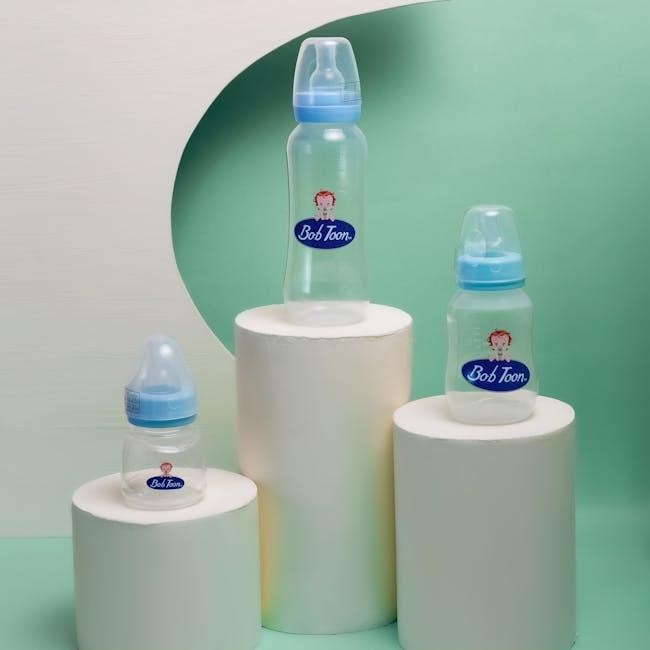
IV. Specific Tools & Scales for Detailed Evaluation
PDF-based tools like IBFAT and GIGER scale offer in-depth analysis. Questionnaires provide comprehensive data‚ aiding precise pediatric feeding assessments and tailored interventions.
A; Infant Breastfeeding Assessment Tool (IBFAT)
The Infant Breastfeeding Assessment Tool (IBFAT) is a valuable‚ standardized scale utilized within pediatric feeding assessments‚ frequently maintained and shared as a PDF document for record-keeping. This tool comprises a 12-point scale designed to meticulously evaluate various aspects of infant breastfeeding performance.
It assesses crucial elements such as latch quality‚ suckling effectiveness‚ swallowing patterns‚ and the mother’s positioning during feeding. Utilizing IBFAT allows clinicians to objectively identify potential difficulties or inefficiencies in the breastfeeding process. The resulting PDF report provides a clear‚ concise overview of the infant’s breastfeeding skills‚ facilitating targeted interventions and support for both mother and child. Accurate documentation via PDF ensures continuity of care and effective communication among healthcare professionals involved in the assessment process.
B. Gastrointestinal and Gastroesophageal Reflux (GIGER) Scale
The Gastrointestinal and Gastroesophageal Reflux (GIGER) Scale is a crucial component of comprehensive pediatric feeding assessments‚ often documented and shared as a secure PDF. This scale specifically focuses on identifying and quantifying symptoms related to gastrointestinal dysfunction and gastroesophageal reflux in infants and young children.
It aids clinicians in evaluating the frequency and severity of symptoms like vomiting‚ regurgitation‚ irritability during or after feeds‚ and poor weight gain. A completed GIGER scale‚ saved as a PDF‚ provides a standardized record of these observations‚ supporting accurate diagnosis and treatment planning; Utilizing this tool within a broader pediatric feeding assessment ensures a holistic understanding of the child’s feeding challenges‚ particularly when GI issues are suspected‚ and facilitates effective communication among the care team.
C. Feeding Disorders Questionnaire – Content & Application
A pediatric feeding disorders questionnaire‚ frequently utilized and maintained as a PDF document‚ serves as a foundational element in a thorough assessment. These questionnaires gather detailed information regarding a child’s feeding history‚ behaviors‚ and concerns from parents or caregivers. Content typically includes questions about food selectivity‚ mealtime behaviors‚ oral motor skills‚ and any associated medical conditions.
The application of these questionnaires‚ often integrated into a larger PDF assessment package‚ allows clinicians to gain valuable insights into the nature and severity of feeding difficulties. This information guides further evaluation and the development of individualized intervention plans. A well-structured questionnaire‚ readily accessible as a PDF‚ streamlines the assessment process and ensures comprehensive data collection.

V. The Role of Professionals in Feeding Assessment
PDF-based assessments require collaboration between SLPs‚ pediatricians‚ and dietitians. They analyze feeding engagement‚ volume‚ and bolus size‚ documented within the PDF.
A. Speech-Language Pathologists (SLPs)
Speech-Language Pathologists play a pivotal role in pediatric feeding assessments‚ often utilizing PDF-based documentation to record detailed observations. Their expertise centers on evaluating oral motor skills‚ swallowing function‚ and behavioral patterns during feeding. SLPs analyze crucial aspects like feeding engagement‚ the nature of crying during meals‚ the volume of food consumed‚ appropriate bolus size‚ and the method of feeding employed by the child.
The PDF assessment allows SLPs to meticulously document these observations‚ creating a comprehensive record for tracking progress and tailoring interventions. They may employ standardized tools‚ the results of which are integrated into the PDF report. This collaborative approach‚ documented within the PDF‚ ensures a holistic understanding of the child’s feeding challenges and facilitates effective treatment planning.
B. Pediatricians & Registered Dietitians
Pediatricians and Registered Dietitians are fundamental in pediatric feeding assessments‚ contributing vital perspectives often compiled into comprehensive PDF reports. Pediatricians assess overall health‚ growth patterns‚ and identify potential medical contributors to feeding difficulties. Dietitians evaluate nutritional status‚ pinpointing deficiencies and ensuring adequate caloric intake for optimal development.
These professionals utilize PDF documentation to record growth charts‚ dietary histories‚ and medical diagnoses impacting feeding. They collaborate with SLPs‚ integrating their findings into a unified PDF assessment. This collaborative PDF report details nutritional needs‚ potential food intolerances‚ and appropriate dietary modifications. The PDF format allows for secure sharing of this sensitive information‚ ensuring coordinated care and improved patient outcomes.
C. Collaboration for Comprehensive Assessment
A truly comprehensive pediatric feeding assessment relies on robust collaboration‚ culminating in a detailed PDF report. Speech-Language Pathologists‚ Pediatricians‚ and Registered Dietitians synthesize their expertise‚ creating a holistic view of the child’s feeding challenges. This interdisciplinary approach ensures all contributing factors – oral motor skills‚ medical conditions‚ and nutritional needs – are addressed.
The final PDF assessment integrates findings from each professional‚ offering a unified plan of care. This PDF document details specific recommendations‚ including therapy goals‚ dietary modifications‚ and strategies for addressing behavioral concerns; Secure PDF sharing facilitates seamless communication among the team and with families‚ promoting consistent implementation of the plan. A collaborative PDF ensures the child receives the most effective and coordinated support.

VI. Utilizing PDF Formats for Assessment Records
PDFs offer secure storage and easy sharing of pediatric feeding assessments‚ ensuring confidentiality and accessibility for collaborative care teams and families.
A. Advantages of PDF Documentation
Employing PDF formats for pediatric feeding assessment records presents numerous benefits. Firstly‚ PDFs maintain document integrity‚ ensuring the assessment’s original formatting remains consistent across different devices and platforms. This is vital for accurate interpretation by various professionals. Secondly‚ PDFs facilitate secure storage‚ protecting sensitive patient information. They can be password-protected and digitally signed‚ enhancing confidentiality.
Furthermore‚ PDFs enable effortless sharing with interdisciplinary teams – speech-language pathologists‚ pediatricians‚ and dietitians – fostering collaborative care. Their universal compatibility means recipients don’t require specialized software to access the assessments. Finally‚ PDFs are ideal for archiving‚ providing a reliable long-term record of a child’s feeding development and interventions. This comprehensive documentation supports informed decision-making and continuity of care.
B. Secure Storage and Sharing of PDF Assessments
Maintaining the security of pediatric feeding assessment PDFs is paramount. Utilizing encrypted storage solutions‚ whether cloud-based or on secure servers‚ safeguards sensitive patient data from unauthorized access. Access controls‚ limiting viewing and editing permissions to authorized personnel‚ are essential. When sharing PDF assessments‚ employing secure file transfer protocols and password protection adds an extra layer of security.
Compliance with HIPAA regulations is crucial; ensure all storage and sharing practices adhere to privacy standards. Digital signatures can verify the authenticity and integrity of the assessment. Regularly backing up PDF files prevents data loss. Careful consideration of these measures protects patient confidentiality and supports responsible data management within the pediatric feeding assessment process.
C. PDF Accessibility Considerations
Creating accessible pediatric feeding assessment PDFs is vital for inclusivity. Ensuring compatibility with screen readers is key; this involves tagging elements correctly and providing alternative text for images. Proper document structure‚ utilizing headings and lists‚ enhances navigation for users with disabilities. Font choices should prioritize readability‚ and sufficient color contrast is essential for visual clarity.
PDFs should adhere to WCAG (Web Content Accessibility Guidelines) standards. Testing with assistive technologies validates accessibility. Consider offering alternative formats alongside PDFs‚ if needed. Accessible assessments promote equitable access to care and facilitate effective communication with all families and caregivers involved in the pediatric feeding process.

VII. Addressing Pain Management During Assessment
Pediatric feeding assessments‚ often recorded in PDF format‚ necessitate careful pain management; prioritizing techniques to minimize discomfort during evaluation is essential.
A. Importance of Pain Assessment in Pediatric Patients
Pain assessment during pediatric feeding evaluations‚ frequently documented as PDF records‚ is paramount due to a child’s limited ability to verbalize discomfort. Accurate identification of pain—whether procedural (related to the assessment itself) or related to underlying conditions—directly impacts the validity of assessment results.
Unmanaged pain can lead to increased anxiety‚ resistance to feeding‚ and inaccurate observations of oral motor skills or swallowing function. Utilizing appropriate pain scales (behavioral or physiological‚ depending on age and developmental level) is crucial. These assessments‚ often integrated into comprehensive PDF reports‚ help clinicians tailor the evaluation process to minimize distress. Recognizing that pain management is the “most important task” in pediatric care‚ as highlighted in recent reports‚ ensures ethical and effective assessment practices.
B. Techniques for Minimizing Discomfort
Minimizing discomfort during pediatric feeding assessments‚ meticulously documented in PDF format‚ requires a multifaceted approach. Prioritizing a calm and reassuring environment is essential. Employing gentle handling techniques and allowing frequent breaks can significantly reduce anxiety.
Preparation is key; explaining procedures in age-appropriate terms and utilizing distraction techniques (toys‚ songs) can alleviate fear. Adapting the assessment based on the child’s cues—pausing or modifying the approach if distress is observed—is vital. Careful consideration of positioning and equipment selection also contributes to comfort. Detailed documentation of these strategies within the PDF assessment record ensures consistency and informs future evaluations‚ reflecting a commitment to patient-centered care.

VIII. Nutritional Status Assessment
PDF-based nutritional assessments identify deficiencies‚ especially with infectious diseases. Pediatric evaluations require detailed records of growth‚ diet‚ and relevant medical history.
A. Assessing Nutritional Deficiencies
Detailed pediatric nutritional assessments‚ frequently utilizing PDF documentation for comprehensive record-keeping‚ are paramount in identifying deficiencies impacting growth and development. These assessments go beyond simple weight and height measurements‚ delving into dietary intake analysis‚ biochemical markers‚ and clinical observations.
PDF formats allow for the inclusion of detailed food diaries‚ growth charts‚ and laboratory results – creating a holistic view of the child’s nutritional status. Specific deficiencies‚ such as iron‚ vitamin D‚ or zinc‚ can significantly affect a child’s ability to thrive. Early detection‚ facilitated by thorough PDF-based assessments‚ enables timely intervention with appropriate dietary modifications or supplementation‚ optimizing health outcomes. Careful consideration of the child’s medical history and feeding behaviors is also crucial during this process.
B. Impact of Infectious Diseases on Nutrition
Infectious diseases profoundly impact pediatric nutritional status‚ necessitating careful assessment often documented within comprehensive PDF reports. Illnesses can decrease appetite‚ impair nutrient absorption‚ and increase metabolic demands‚ leading to deficiencies. PDF-based assessments allow clinicians to track changes in weight‚ growth parameters‚ and dietary intake during and after infection.
The nutritional status assessment‚ recorded in a structured PDF format‚ becomes vital in managing recovery. Pediatricians utilize these records to tailor feeding plans‚ ensuring adequate caloric and micronutrient intake to support immune function and tissue repair. Recognizing the interplay between infection and malnutrition is crucial; a PDF provides a centralized location for all relevant data‚ facilitating informed clinical decisions.
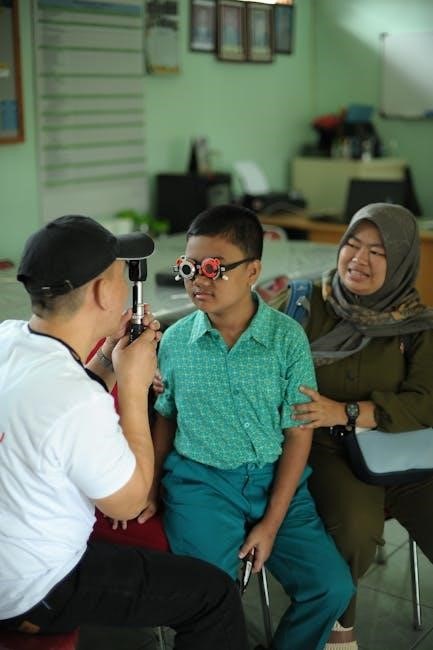
IX. Future Trends in Pediatric Feeding Assessment
PDF-based assessments will integrate technological advancements and telehealth‚ enabling remote evaluations and streamlined data collection for improved pediatric feeding care.
A. Technological Advancements in Assessment Tools
Technological integration is rapidly reshaping pediatric feeding assessments‚ moving beyond traditional observation and parent reports. We’re seeing the emergence of tools utilizing video analysis software to objectively quantify oral motor skills and swallowing mechanics‚ often documented and shared as secure PDF reports. These systems can precisely measure parameters like jaw movement‚ tongue control‚ and bolus formation‚ providing clinicians with detailed‚ data-driven insights.
Furthermore‚ app-based assessments are gaining traction‚ allowing for convenient data collection directly from caregivers. These apps often generate automated scoring and PDF summaries‚ streamlining the assessment process. The future holds promise for incorporating artificial intelligence (AI) to analyze assessment data and predict potential feeding difficulties‚ ultimately leading to earlier and more targeted interventions. Secure PDF formats will be essential for maintaining patient confidentiality and facilitating collaboration among healthcare professionals.
B. Integration of Telehealth for Remote Assessments
Telehealth is revolutionizing pediatric feeding assessment accessibility‚ particularly for families in remote areas or with limited access to specialized care. Utilizing secure video conferencing platforms‚ clinicians can now conduct virtual assessments‚ observing feeding behaviors in the child’s natural environment. Standardized assessment tools‚ like the PediEAT‚ can be adapted for remote administration‚ with caregivers providing real-time observations guided by the clinician.
The resulting assessment data‚ including observations and scoring‚ can be compiled into comprehensive PDF reports for documentation and sharing. This approach minimizes travel burdens for families and expands the reach of specialized feeding expertise. Ensuring data security and compliance with telehealth regulations is paramount‚ necessitating the use of encrypted platforms and secure PDF storage solutions; This integration offers a promising avenue for improving early intervention outcomes.