
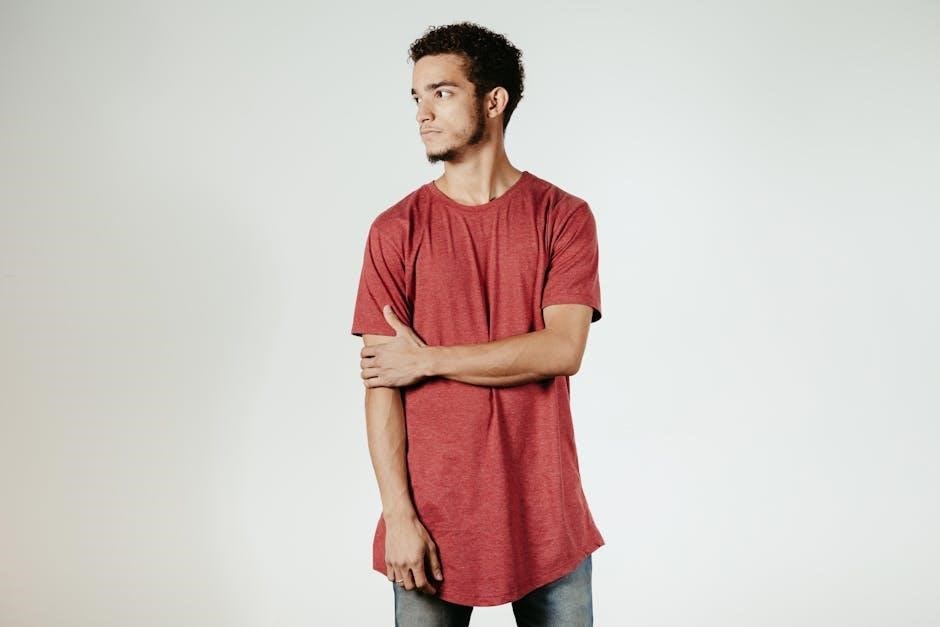
unisex sizing guide
Understanding Unisex Sizing: A Comprehensive Guide
Unisex fashion‚ increasingly popular‚ offers apparel suitable for all genders. This guide explores the nuances of unisex sizing‚ moving beyond traditional gendered fits.
The term “unisex” originated in 1968‚ while “genderless” represents a more radical departure from binary gender norms in design and style.
Understanding sizing discrepancies across brands and international conversions is crucial for a comfortable and stylish experience.
What is Unisex Sizing?
Unisex sizing represents a significant shift in the fashion industry‚ moving away from traditionally gendered clothing fits. Essentially‚ it’s the practice of designing and sizing garments to be suitable for anyone‚ regardless of their gender identity. This isn’t simply about women wearing traditionally “men’s” clothing or vice versa; it’s about creating designs that don’t inherently cater to a specific body type associated with a particular gender.
The concept emerged as part of a broader cultural movement towards gender neutrality and inclusivity. While the term “unisex” gained traction around 1968‚ the modern understanding often differentiates it from “genderless” fashion. “Genderless” implies a design completely devoid of gender considerations from the outset‚ while “unisex” can sometimes still reference styles adapted from existing gendered designs.
This approach necessitates a focus on body measurements rather than assumed gender norms. Unisex sizing prioritizes fit based on dimensions like chest‚ waist‚ and inseam‚ offering a more inclusive and comfortable experience for a wider range of individuals. It acknowledges the diversity of body shapes and challenges the limitations of binary sizing systems.
The History of Unisex Clothing
The roots of unisex clothing trace back to practical needs and evolving social norms. While not initially driven by inclusivity‚ early examples arose from situations where functionality superseded gendered expectations – think workwear or military uniforms. However‚ the modern concept truly began to emerge in the latter half of the 20th century.
The 1960s and 70s witnessed a cultural shift challenging traditional gender roles‚ influencing fashion trends. Styles like jeans‚ initially workwear‚ became popular across genders. This period saw experimentation with androgynous looks‚ blurring the lines between masculine and feminine attire. The term “unisex” itself gained prominence around 1968‚ coinciding with these changes.
However‚ early “unisex” styles often involved adapting existing menswear for women. The recent surge in popularity represents a more deliberate design approach‚ creating garments specifically intended to fit diverse bodies without relying on gendered patterns. Today’s unisex fashion builds upon this history‚ embracing inclusivity and challenging conventional sizing systems‚ driven by a demand for more personalized and comfortable clothing options.
Unisex vs. Genderless Fashion: Key Differences
While often used interchangeably‚ unisex and genderless fashion represent distinct approaches. Unisex typically refers to clothing designed to be worn by anyone‚ regardless of gender‚ often based on traditionally masculine cuts adapted for broader appeal. It acknowledges gender but doesn’t necessarily erase it from the design process.
Genderless fashion‚ conversely‚ goes further. It actively rejects the binary gender system altogether. Garments are designed without considering the wearer’s gender identity from the outset. This means cuts‚ styles‚ and even marketing avoid gendered associations. It’s a more radical concept‚ aiming to create truly neutral clothing.
Think of it this way: unisex might be a men’s t-shirt available in all sizes‚ while genderless would be a t-shirt designed from scratch‚ with no inherent masculine or feminine characteristics. This distinction impacts sizing; unisex often utilizes standard male patterns‚ whereas genderless prioritizes fit based on body shape‚ not gender. The evolution reflects a growing desire for inclusivity and self-expression beyond traditional norms.
Why is Unisex Sizing Important?
Unisex sizing is becoming increasingly vital due to evolving societal views on gender and fashion. It promotes inclusivity‚ allowing individuals to express themselves authentically‚ irrespective of gender identity. Traditional sizing often reinforces binary gender norms‚ limiting choices and potentially causing discomfort or misrepresentation for those who don’t fit neatly into those categories.
Beyond inclusivity‚ unisex sizing offers practical benefits. It simplifies shopping‚ reducing the need to navigate separate “men’s” and “women’s” sections. This is particularly helpful for individuals who prefer styles traditionally associated with the opposite gender. It also streamlines inventory for retailers‚ potentially reducing costs.

Furthermore‚ the rise of genderless fashion necessitates accurate unisex sizing. As designs move away from gendered silhouettes‚ fit becomes paramount. Providing clear and consistent sizing guides ensures customers can find garments that flatter their bodies‚ fostering confidence and satisfaction. Ultimately‚ it’s about offering comfortable‚ stylish clothing for everyone.

Decoding Unisex Size Charts
Unisex size charts differ from standard ones‚ focusing on body measurements rather than gender. Accurate chest‚ waist‚ and inseam measurements are key to finding the perfect fit.
Understanding these charts is vital for online shopping success.
Standard Unisex T-Shirt Size Guide
Unisex t-shirt sizing typically utilizes a numerical or alpha-numeric system‚ often overlapping with men’s sizing. However‚ crucial differences exist‚ demanding careful attention to measurements. A standard guide usually begins with Small (S)‚ then Medium (M)‚ Large (L)‚ Extra Large (XL)‚ and 2XL‚ extending upwards.
Chest measurements are paramount. A Small generally fits a 34-36 inch chest‚ Medium 38-40 inches‚ Large 42-44 inches‚ XL 46-48 inches‚ and 2XL 50-52 inches; Length also varies; a Medium typically measures around 28-29 inches long. It’s vital to remember these are averages‚ and variations occur between brands;
Shoulder width is another key factor‚ influencing the t-shirt’s drape and comfort. Unisex tees often have a straighter cut than fitted women’s styles‚ offering a more relaxed silhouette. When in doubt‚ consult the specific brand’s size chart‚ as discrepancies are common. Prioritize measuring yourself accurately before purchasing to avoid ill-fitting garments.
Online shopping necessitates careful chart review‚ as sizing can differ significantly.
Unisex Size Charts for Different Garments (Jackets‚ Pants‚ etc.)
Unisex sizing extends beyond t-shirts‚ but charts vary significantly by garment type. Jackets‚ for instance‚ prioritize chest‚ shoulder‚ and sleeve length. A unisex Medium jacket typically fits a 38-40 inch chest with a 32-33 inch sleeve length. Pants require waist and inseam measurements; a unisex 32-inch waist usually corresponds to a 30-32 inch inseam.
Outerwear‚ like Klattermusen’s Liv 2.0 Jacket‚ often features a more generous cut to accommodate layering. Unisex pants frequently have a straighter leg fit‚ differing from the contoured styles often found in women’s wear. Bicycle frames designed as “UNISEX” prioritize comfortable geometry and ease of mounting‚ with sloping top tubes.
Always consult brand-specific charts. 6061 aluminum alloy frames‚ common in unisex bikes‚ require careful sizing for optimal performance. Variations in cut and fabric influence fit‚ so relying solely on numerical size isn’t sufficient. Accurate body measurements are crucial for all garments‚ ensuring comfort and functionality.
Remember‚ international conversions add another layer of complexity.
Understanding Body Measurements for Unisex Clothing
Accurate body measurements are paramount when navigating unisex sizing. Unlike gender-specific clothing‚ unisex designs aim for a broader fit‚ making precise measurements essential. Key measurements include chest‚ shoulders‚ waist‚ and hips. For tops‚ measure the fullest part of the chest and across the shoulders.
Waist measurement should be taken at the natural waistline‚ while hip measurement requires finding the fullest part of the hips. Inseam‚ crucial for pants‚ is measured from the crotch to the desired hem length. These measurements form the foundation for selecting the correct size from a unisex chart.
Consider body shape; a unisex garment may require adjustments for broader shoulders or a more defined waist. Online shopping necessitates careful self-measurement or assistance. Body measurement diagrams are readily available online to guide the process.
Remember‚ sizing can vary between brands‚ so always prioritize individual measurements over assumed sizes. A well-fitting garment enhances both comfort and style.
Common Sizing Discrepancies in Unisex Apparel
Sizing inconsistencies are a frequent challenge within unisex apparel. Unlike standardized women’s or men’s sizing‚ unisex charts often lack uniformity across brands. A size Medium in one brand might fit significantly differently in another‚ necessitating careful attention to individual size charts.
Variations stem from differing design philosophies and target body types. Some brands adopt a more “relaxed” unisex fit‚ while others aim for a closer‚ more tailored silhouette. International sizing conversions further complicate matters‚ as measurements differ between regions.
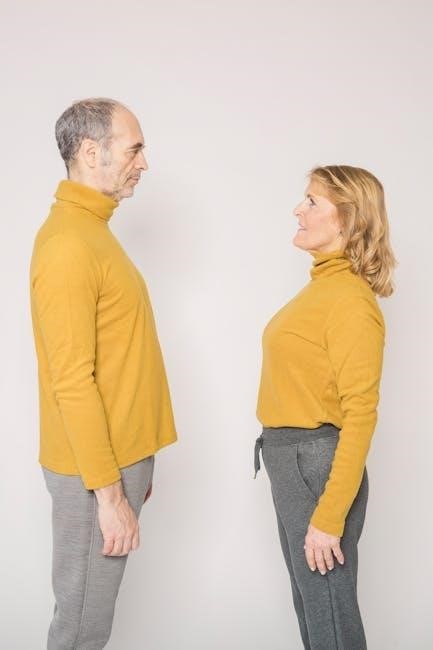
Furthermore‚ the interpretation of “unisex” itself can vary. Some garments are truly gender-neutral in design‚ while others are simply adapted from existing men’s or women’s patterns. Always prioritize detailed measurements over relying solely on size labels.
Reading customer reviews can provide valuable insights into a brand’s sizing tendencies. Understanding these discrepancies is crucial for minimizing returns and maximizing satisfaction.
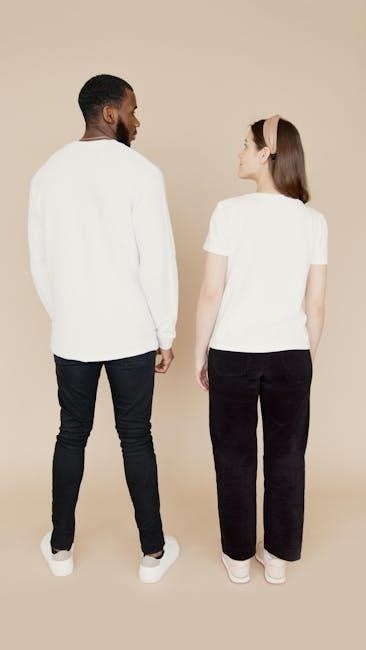
Specific Considerations for Unisex Fit
Unisex fit prioritizes comfort and versatility‚ requiring attention to key body measurements. Chest‚ waist‚ hip‚ and inseam are vital for accurate sizing.
Comfortable geometry and shorter rear forks enhance flexibility‚ reducing fatigue during extended use.
Chest and Shoulder Measurements
Accurate chest and shoulder measurements are foundational for achieving a proper unisex fit. Unlike traditionally tailored garments‚ unisex sizing often assumes a broader range of body shapes‚ making precise measurements even more critical. To measure chest circumference‚ use a flexible measuring tape and wrap it snugly around the fullest part of the chest‚ keeping the tape parallel to the floor.
For shoulder measurements‚ measure from the outer edge of one shoulder to the outer edge of the other. This measurement determines the width across the back and impacts how comfortably a garment will sit. It’s important to note that unisex sizing charts frequently prioritize a straighter cut‚ potentially requiring adjustments for individuals with particularly broad or narrow shoulders.
When consulting a unisex size chart‚ compare your measurements to the provided guidelines. Pay close attention to whether the chart specifies measurements for the garment itself or the body. A slight discrepancy can significantly alter the fit. Remember that variations exist between brands‚ so always refer to the specific brand’s size chart whenever possible. Considering these details will help ensure a comfortable and flattering fit in unisex apparel.
Waist and Hip Measurements
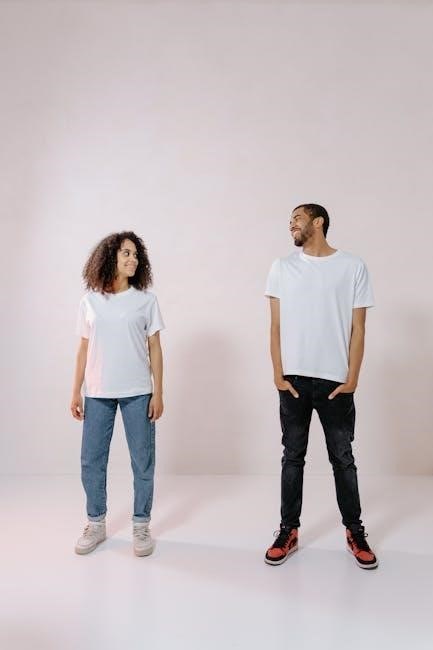
Precise waist and hip measurements are essential when navigating unisex sizing‚ as these areas often experience the most variation between body types. To measure your waist‚ locate the narrowest part of your torso – typically just above your belly button – and wrap a measuring tape snugly around it‚ ensuring it’s parallel to the floor. Avoid pulling the tape too tight or leaving it too loose.
For hip measurements‚ stand with your feet together and measure around the fullest part of your hips and buttocks. Again‚ maintain a parallel tape position. Unisex garments often feature a straighter cut through the hips and waist‚ meaning they may not conform to the curves of traditionally fitted clothing.
When referencing a unisex size chart‚ compare your measurements carefully. Note if the chart indicates measurements for the garment or the body itself. A difference can impact the final fit. Because unisex designs aim for broader appeal‚ adjustments might be needed for those with significantly defined or less pronounced waist and hip curves. Prioritizing accurate measurements ensures a more comfortable and flattering fit.
Inseam and Length Considerations
Inseam and length are critical for unisex pants‚ shorts‚ and even some outerwear pieces. Inseam‚ measured from the crotch to the hem‚ dictates the pant’s overall length. To determine your inseam‚ wear shoes similar to those you’d pair with the garment and have someone measure from your crotch down the inside of your leg to where you’d like the hem to fall.
Length considerations extend beyond pants. For jackets and shirts‚ consider your torso length. Unisex designs often prioritize a standard length‚ which may feel shorter or longer depending on your individual proportions. A shorter torso might require rolling sleeves or a more cropped fit‚ while a longer torso may benefit from a longer length option;
Unisex bicycle frame sizing also emphasizes comfortable reach and leg extension‚ mirroring the importance of proper inseam in apparel. When reviewing size charts‚ pay close attention to stated lengths and inseam measurements. Don’t hesitate to size up if you fall between sizes or prefer a looser‚ more relaxed fit.
Unisex Sizing for Outerwear (Jackets & Coats)
Unisex outerwear‚ like jackets and coats‚ presents unique sizing challenges. Traditional designs often cater to specific body shapes‚ but unisex options aim for broader compatibility. Key considerations include shoulder width‚ chest circumference‚ and sleeve length – measurements crucial for a comfortable‚ unrestricted fit.
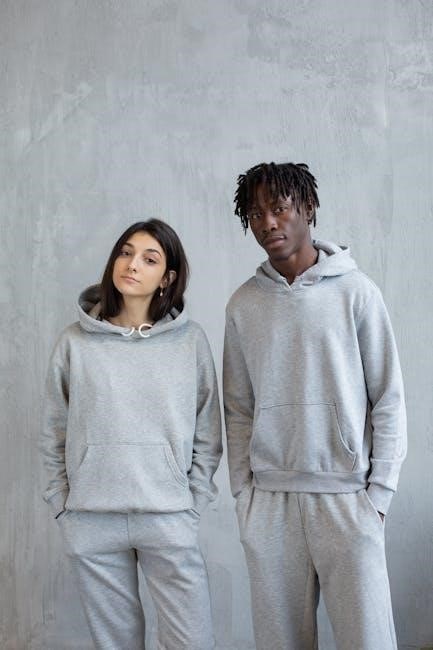
Many brands‚ like Klattermusen‚ prioritize functionality and a relaxed fit in their unisex outerwear. Look for features like adjustable cuffs and hoods to customize the fit. A slightly oversized fit is often preferred for layering‚ allowing room for sweaters or other garments underneath.
Pay attention to the jacket’s cut. A straight cut generally works well for various body types‚ while a more tailored cut might favor slimmer builds. Review brand-specific size charts carefully‚ as sizing can vary significantly. Consider customer reviews for insights into how the garment fits in real-world scenarios. Prioritize comfort and freedom of movement when selecting your size.
Unisex Sizing Across Different Brands
Brand-specific size charts are essential‚ as unisex sizing isn’t standardized. International conversions add complexity. Finding the right fit requires careful review and consideration of customer feedback.

Brand-Specific Size Charts
Navigating unisex sizing demands a keen awareness that each brand interprets and applies it uniquely. Unlike standardized men’s or women’s sizing‚ a “Medium” from one company can significantly differ from a “Medium” from another‚ even within the unisex category. This variability stems from differing design philosophies‚ target demographics‚ and manufacturing practices.
Therefore‚ relying solely on familiar size preferences is risky. Always consult the specific brand’s size chart before making a purchase. These charts typically detail measurements like chest‚ waist‚ hip‚ and inseam‚ allowing for a more accurate comparison to your own body dimensions. Many brands now provide detailed measurement guides‚ often including instructional videos or diagrams‚ to ensure customers take accurate measurements.
Furthermore‚ pay attention to the chart’s notes regarding fit – is it a relaxed fit‚ a slim fit‚ or a classic fit? These descriptors provide valuable clues about how the garment will drape and feel. Klattermusen‚ for example‚ offers detailed sizing for their unisex outerwear‚ emphasizing functional design. Checking customer reviews can also offer insights into whether a particular item runs true to size‚ large‚ or small.
International Unisex Sizing Conversions
Unisex sizing becomes even more complex when navigating international markets. Size designations vary considerably between regions – a European “M” isn’t necessarily equivalent to a US “M” or an Asian “M”. These discrepancies arise from differing measurement systems and historical sizing conventions.
Conversion charts are essential tools‚ but they should be used cautiously. They often provide approximate equivalents‚ and subtle differences can still exist. For instance‚ European sizing tends to run smaller than US sizing‚ while Asian sizing often runs even smaller. Always prioritize actual garment measurements over relying solely on converted sizes.
When purchasing from international retailers‚ carefully examine the size chart provided‚ paying attention to both letter sizes (S‚ M‚ L) and numerical measurements (centimeters or inches). Look for charts that specifically address unisex garments‚ as conversions for gendered clothing may not be accurate. Consider utilizing online size conversion tools as a starting point‚ but always double-check with the brand’s specific chart. Remember that a well-fitting garment relies on precise measurements‚ regardless of geographical origin.
Finding the Right Fit: Tips and Tricks
Navigating unisex sizing requires a proactive approach. Don’t assume your usual size will automatically fit; always consult the specific brand’s size chart. Prioritize understanding your own body measurements – chest‚ waist‚ hips‚ and inseam – as these are the most reliable indicators of a good fit.
When in doubt‚ size up rather than down. A slightly larger garment can often be tailored for a more precise fit‚ while a garment that’s too small is often unwearable. Pay attention to fabric composition; stretchy materials offer more flexibility‚ while rigid fabrics require a more accurate fit.
Read customer reviews for insights into how a particular garment runs – does it tend to be oversized‚ true to size‚ or small? Consider the intended style; a relaxed-fit unisex tee will naturally have a looser silhouette than a fitted unisex jacket. Finally‚ don’t hesitate to contact the retailer’s customer service for assistance with sizing recommendations.
Unisex Bicycle Frame Sizing (UNISEX Design)
Unisex bicycle frame design prioritizes comfort and accessibility for a wide range of riders. Frames constructed from 6061 aluminum alloy offer a lightweight yet durable build‚ resisting corrosion for long-lasting performance. A key feature is the sloping top tube‚ designed for easier mounting and dismounting‚ particularly beneficial for riders with shorter inseams or limited flexibility.
Shorter rear stays enhance maneuverability‚ making the bike more responsive during turns. The geometry aims for a more upright riding position‚ reducing strain on the back and shoulders‚ crucial for longer rides. Coupled with a generously padded saddle‚ this design minimizes fatigue.
While marketed as unisex‚ proper sizing remains vital. Frame size is typically determined by rider height‚ but inseam measurement provides a more accurate fit. Consider a professional bike fit for optimal comfort and efficiency‚ ensuring the bike complements your body and riding style.
Unisex Names and Fashion
The rise of unisex fashion parallels a broader cultural shift towards gender fluidity and inclusivity‚ extending even to naming conventions. Just as clothing transcends traditional gender boundaries‚ names like Alex‚ Sam‚ and Charlie are readily accepted for both males and females in English-speaking countries. This reflects a move away from rigid categorization.
However‚ direct translation between languages can be misleading. What appears “unisex” in one language might not translate accurately to English‚ highlighting the importance of understanding nuanced linguistic differences. The concept of gender neutrality in fashion‚ originating with the English term “unisex‚” differs from the more radical “genderless” approach.
Choosing a name‚ like selecting clothing‚ involves considering cultural context and personal preference. When seeking a name acceptable across cultures‚ opting for established unisex options is advisable. This mirrors the practicality of selecting clothing designed for universal appeal and fit.