
washington state waterfowl guides
Washington State Waterfowl Guides: A Comprehensive Plan
Navigating Washington’s diverse hunting grounds requires expert knowledge; skilled guides enhance success‚ ensuring compliance with regulations and ethical hunting practices for a rewarding experience.
Understanding Washington’s Waterfowl Hunting Landscape
Washington State presents a uniquely diverse waterfowl hunting experience‚ shaped by varied geography and migratory patterns. From the fertile Columbia River Basin to the Puget Sound’s estuaries and Eastern Washington’s numerous ponds and lakes‚ hunters encounter a range of challenges and opportunities. Understanding these distinct ecosystems is crucial for success; Regulations are complex‚ varying by zone and species‚ necessitating diligent adherence to licensing and harvest reporting requirements.
The landscape demands adaptability; guides possess intimate knowledge of seasonal movements‚ preferred feeding areas‚ and effective hunting techniques specific to each region. Successfully navigating these nuances requires expertise beyond basic hunting skills‚ making a knowledgeable guide invaluable for both novice and experienced hunters alike.
The Importance of a Guide
Engaging a skilled waterfowl guide in Washington State significantly elevates the hunting experience‚ offering benefits beyond simply locating birds. Guides provide crucial expertise in navigating complex regulations‚ ensuring full compliance with licensing‚ harvest reporting‚ and closed area restrictions. Their intimate knowledge of local ecosystems – from Puget Sound estuaries to Eastern Washington ponds – translates to increased hunting success.
Furthermore‚ guides enhance safety‚ particularly in challenging terrain or unpredictable weather. They offer valuable instruction in ethical hunting practices‚ promoting responsible wildlife management and respect for the habitat. A guide’s experience streamlines logistics‚ allowing hunters to focus on the hunt itself‚ maximizing enjoyment and minimizing frustration.
Key Waterfowl Species in Washington State
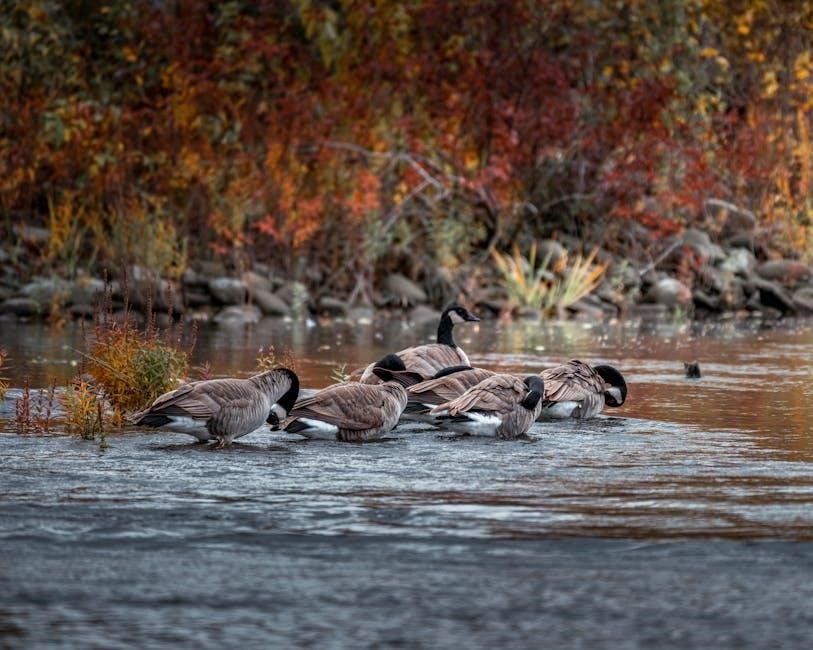
Washington State boasts a diverse waterfowl population‚ presenting varied hunting opportunities. Mallards are consistently the most pursued species‚ abundant across numerous habitats. Geese‚ including Western and Snow Geese‚ offer challenging hunts requiring specialized strategies due to their larger size and keen senses. Pintails and Wigeon‚ known for their swift flight and discerning nature‚ demand precise calling and decoy setups.
Successful hunting necessitates understanding each species’ behavior‚ preferred foods‚ and migration patterns. Guides possess this critical knowledge‚ adapting tactics to maximize chances of a successful harvest while adhering to species-specific regulations and bag limits. Identifying birds correctly is paramount for legal and ethical hunting.
Mallards: The Most Popular Target
Mallards reign supreme as Washington’s most sought-after waterfowl‚ attracting hunters with their adaptability and widespread presence. These dabbling ducks frequent flooded fields‚ marshes‚ and river bottoms‚ offering diverse hunting scenarios. Effective mallard hunts rely on realistic decoy spreads mimicking feeding or resting flocks‚ coupled with skillful calling to lure birds within range.
Guides specializing in mallard hunts understand their feeding habits and flight patterns‚ positioning blinds strategically for optimal shooting angles. Decoy selection‚ including mallard hens and drakes‚ is crucial. Mastering various calls – quacks‚ feeds‚ and comings – enhances attraction. Ethical hunting dictates confirming positive identification before taking a shot.
Geese: Strategies for Success
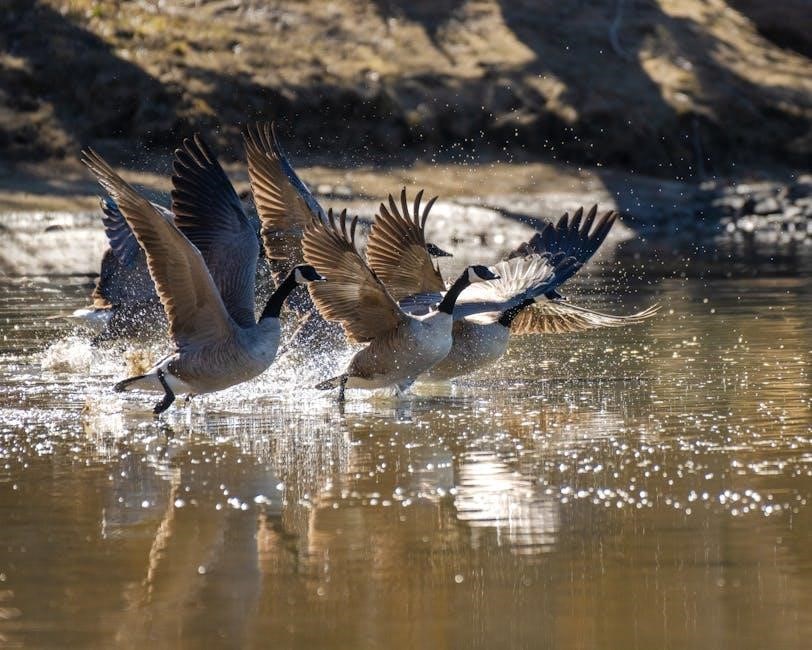
Hunting geese in Washington demands a different approach than ducks‚ requiring patience and strategic planning. Geese often feed in large flocks in open fields‚ making effective decoy spreads paramount. Full-body decoys‚ arranged to appear natural and inviting‚ are essential for attracting wary birds. Aggressive calling‚ mimicking family groups or distressed geese‚ can trigger responses.
Successful goose hunts often involve layout blinds‚ providing low-profile concealment within the field. Guides excel at reading wind direction and setting up downwind‚ maximizing the chance of birds landing within shooting range. Understanding goose flight patterns and preferred feeding locations is key. Ethical hunting necessitates accurate shot placement and respect for these intelligent birds.
Pintails and Wigeon: Identifying and Hunting
Pintails and wigeon present unique challenges for Washington waterfowl hunters‚ demanding precise identification and tailored strategies. Pintails‚ known for their elegant silhouettes‚ require careful observation to distinguish from similar species. Wigeon‚ often found dabbling in flooded fields‚ respond well to specific calls and decoy setups.
Hunting these species effectively involves understanding their feeding habits and flight patterns. Pintails favor open water and grain fields‚ while wigeon prefer shallow‚ vegetated areas. Decoy spreads should mimic natural feeding flocks‚ utilizing both pintail and wigeon decoys for increased realism. Guides provide expertise in identifying these birds and employing the appropriate techniques for a successful hunt.
Choosing the Right Waterfowl Guide
Selecting a qualified waterfowl guide is crucial for a safe‚ legal‚ and productive hunting experience in Washington State. Prioritize guides possessing proper licensing and certifications‚ demonstrating a commitment to ethical and responsible hunting practices. Thoroughly investigate their experience and local knowledge of specific hunting regions – Eastern Washington‚ Puget Sound‚ or the Columbia River Basin.
Don’t overlook the importance of client testimonials and online reviews. These provide valuable insights into a guide’s professionalism‚ communication skills‚ and overall success rate. A reputable guide will readily offer references and transparently discuss hunting strategies‚ regulations‚ and expected outcomes‚ ensuring a fulfilling waterfowl adventure;
Guide Qualifications and Licensing
Washington State mandates specific qualifications for waterfowl hunting guides to ensure hunter safety and resource conservation; Legitimate guides must possess a valid Washington State Hunting License‚ along with any required endorsements for guiding services. They should also be knowledgeable about‚ and adhere to‚ all Migratory Bird Regulations established by both state and federal authorities.
Furthermore‚ reputable guides often hold certifications in First Aid and CPR‚ demonstrating preparedness for emergencies. Verify their licensing status through the Washington Department of Fish and Wildlife (WDFW) website. A qualified guide will readily provide proof of credentials and demonstrate a thorough understanding of ethical hunting practices and legal requirements.
Experience and Local Knowledge
A seasoned waterfowl guide’s experience is invaluable for a successful hunt in Washington State’s varied terrain. Look for guides with extensive time spent specifically hunting the areas you plan to explore – Eastern Washington ponds‚ Puget Sound estuaries‚ or the Columbia River Basin. Local knowledge encompasses understanding waterfowl migration patterns‚ preferred feeding locations‚ and optimal blind placement based on wind and weather conditions.
Experienced guides can adapt strategies quickly to changing circumstances‚ maximizing your chances of bagging a trophy bird. They possess an intimate understanding of the local ecosystem and can provide insights beyond just locating birds‚ enriching your overall hunting experience.
Client Testimonials and Reviews
Before committing to a Washington waterfowl guide‚ thoroughly investigate client testimonials and online reviews. These provide unbiased insights into the guide’s professionalism‚ hunting success rates‚ and overall client satisfaction. Look for detailed accounts describing the guide’s communication‚ preparedness‚ and ability to adapt to varying hunting conditions.
Pay attention to recurring themes – consistently positive feedback regarding ethical practices‚ bird-finding skills‚ and a commitment to hunter safety are strong indicators. Conversely‚ be wary of numerous complaints about poor communication‚ misrepresented services‚ or disregard for regulations. Reputable guides often showcase testimonials on their websites or through third-party review platforms.
Top Regions for Waterfowl Hunting in Washington
Washington State boasts diverse waterfowl hunting regions‚ each offering unique challenges and opportunities. Eastern Washington’s ponds and lakes‚ particularly around the Columbia Basin‚ attract large concentrations of ducks and geese during migration. Puget Sound estuaries and bays provide excellent hunting for sea ducks and brant‚ though tides and weather play a significant role.
The Columbia River Basin offers extensive opportunities along its numerous sloughs and backwaters. Guides specializing in these areas possess invaluable local knowledge regarding bird movements‚ preferred feeding locations‚ and optimal hunting strategies. Selecting a guide familiar with the specific region you wish to hunt dramatically increases your chances of success.
Eastern Washington Ponds and Lakes
Eastern Washington’s numerous ponds and lakes are renowned for attracting large numbers of migrating waterfowl‚ making them prime hunting destinations. These areas‚ particularly within the Columbia Basin‚ provide crucial resting and feeding grounds for ducks and geese traveling along the Pacific Flyway. Successful hunts often involve strategically placed decoys to mimic feeding flocks and attract birds within range.
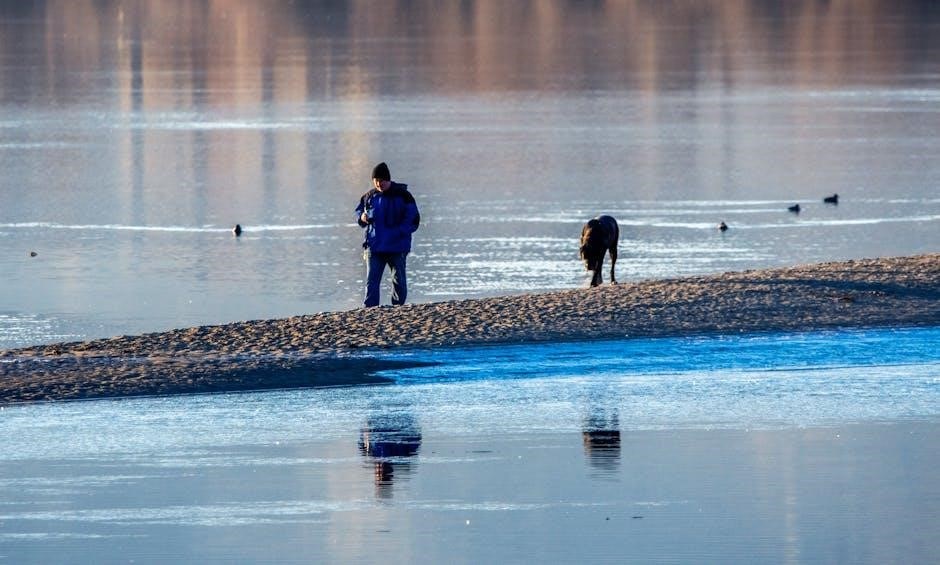
Local guides possess intimate knowledge of these water bodies‚ including seasonal variations in bird concentrations and optimal blind locations. They understand the impact of weather patterns and can adapt hunting strategies accordingly. Expect to target mallards‚ pintails‚ wigeon‚ and Canada geese in these productive habitats.
Puget Sound Estuaries and Bays
The complex network of estuaries and bays surrounding Puget Sound offers unique waterfowl hunting opportunities‚ differing significantly from Eastern Washington’s inland settings. These tidally influenced areas provide rich feeding grounds for dabbling ducks like mallards and wigeon‚ as well as brant and various scaup species. Hunting often involves utilizing boats or establishing blinds along shorelines‚ adapting to changing tides and currents.
Experienced Puget Sound guides understand the intricacies of these ecosystems and can navigate safely while maximizing hunting success. They’re adept at reading bird movements influenced by wind and tide‚ and possess knowledge of local regulations pertaining to marine hunting areas. Expect dynamic hunts requiring adaptability and skill.
Columbia River Basin Opportunities
The Columbia River Basin presents expansive waterfowl hunting grounds‚ attracting large concentrations of ducks and geese migrating along the Pacific Flyway. This region offers diverse habitats‚ from expansive river channels and backwaters to managed agricultural fields providing crucial feeding areas. Hunting strategies often involve a combination of layout blinds‚ bank shooting‚ and jump shooting‚ depending on the specific location and species targeted.
Guides specializing in the Columbia River Basin possess in-depth knowledge of seasonal migration patterns and preferred feeding locations. They understand the river’s complex currents and can navigate safely‚ ensuring productive and ethical hunts. Expect opportunities for both puddle ducks and larger geese‚ requiring versatile hunting techniques.
Essential Gear and Equipment
Successful waterfowl hunting demands reliable gear tailored to Washington’s varied conditions. A 12- or 20-gauge shotgun‚ appropriately choked for the intended range‚ is fundamental‚ alongside non-toxic shot – steel‚ bismuth‚ or tungsten – as mandated by regulations. Decoys‚ ranging from mallard and goose varieties‚ are crucial for attracting birds‚ requiring strategic placement based on wind direction and terrain.
Waders‚ preferably insulated and waterproof‚ are essential for navigating flooded fields and marshes. Layered waterproof clothing‚ including a breathable jacket and pants‚ protects against the elements. Don’t forget essential accessories like a duck/goose call‚ binoculars‚ a hunting knife‚ and a comfortable game carrier.
Shotguns and Ammunition
Selecting the right shotgun and ammunition is paramount for ethical and effective waterfowl hunting in Washington State. A 12-gauge is the most popular choice‚ offering versatility for various species and ranges‚ though a 20-gauge provides lighter recoil for some hunters. Consider a shotgun specifically designed for waterfowl‚ with a durable finish and reliable action.
Washington regulations require the use of non-toxic shot – steel‚ bismuth‚ tungsten‚ or other approved alternatives – to protect waterfowl and their habitats. Shot size should be matched to the target species and range; typically‚ #2 to #4 steel shot is effective for ducks‚ while larger sizes are preferred for geese. Proper choke selection further optimizes shot patterns for increased accuracy.
Decoys: Types and Placement
Decoys are crucial for attracting waterfowl within shooting range‚ but effective use requires understanding different types and strategic placement. Mallard decoys are a staple‚ but species-specific sets – pintails‚ wigeon‚ or geese – can significantly improve success. Common types include block decoys (realistic‚ durable)‚ shell decoys (lightweight‚ portable)‚ and full-body decoys (highly visible).
Placement depends on wind direction and hunting location. A “J-hook” or “V” spread‚ with the open end facing the wind‚ is a classic approach. Vary decoy height and posture to create a natural look. Consider using spinner decoys to attract attention‚ but be mindful of overusing them‚ as wary birds may detect a false setup. Proper anchoring is essential to prevent decoys from drifting.
Waders and Waterproof Clothing
Washington’s waterfowl hunting often involves wading into cold water or enduring damp conditions‚ making appropriate clothing essential for comfort and safety. Chest waders are highly recommended‚ providing full body protection from the elements. Consider insulated waders for colder temperatures. Breathable waders are preferable to neoprene‚ minimizing sweat buildup.
Layering is key. A waterproof and windproof outer shell jacket and pants are crucial. Moisture-wicking base layers help regulate body temperature. Don’t forget waterproof gloves and a hat to prevent heat loss. Waterproof boots‚ even with waders‚ are beneficial for walking to and from hunting locations. Prioritize quality gear to stay dry and focused throughout the hunt.
Hunting Regulations and Licensing
Understanding and adhering to Washington State’s waterfowl hunting regulations is paramount for legal and ethical hunting. A valid Washington State hunting license is required for all hunters 16 years and older. Additionally‚ a migratory bird permit/validation is necessary to hunt waterfowl. Specific regulations regarding season dates‚ bag limits (currently 10 birds daily)‚ and hunting areas change annually‚ so checking the Washington Department of Fish and Wildlife (WDFW) website is crucial.
Harvest reporting is often required‚ and hunters must be aware of closed areas like parks and reservations. Familiarize yourself with legal shooting hours and ammunition restrictions. Compliance ensures conservation efforts and responsible hunting practices are upheld.
Washington State Hunting Licenses
Securing the appropriate Washington State hunting license is the first step for any waterfowl hunter. Several license options are available‚ including annual‚ short-term‚ and combination licenses. Resident and non-resident fees vary. A basic hunting license allows for the pursuit of various game‚ but a migratory bird permit is specifically required to hunt ducks and geese.
Licenses can be purchased online through the Washington Department of Fish and Wildlife (WDFW) website‚ at license vendors‚ or through the WDFW offices. Hunters must carry their license while actively hunting and present it upon request by a wildlife officer. Ensure your license is current and properly validated before heading into the field.
Migratory Bird Regulations
Washington waterfowl hunting operates under strict federal and state migratory bird regulations. These rules are established to ensure sustainable populations and fair chase. Hunters must be aware of season dates‚ which vary annually and by species‚ as determined by the WDFW. Daily bag limits specify the maximum number of birds a hunter can harvest per day‚ differing for ducks‚ geese‚ and other waterfowl.
Shooting hours are also regulated‚ typically beginning 30 minutes before sunrise and ending 15 minutes after sunset. The use of lead shot is prohibited for waterfowl hunting; non-toxic alternatives are required. Hunters must adhere to all regulations to avoid penalties and contribute to conservation efforts.
Harvest Reporting Requirements
Washington State mandates harvest reporting for waterfowl hunters to monitor population trends and inform future management decisions. Hunters are typically required to report their harvest online or via a phone system within a specified timeframe after the hunt. This reporting includes details such as the number of birds harvested‚ species‚ and hunting location.
Failure to report harvest data can result in penalties‚ including suspension of hunting privileges. The Washington Department of Fish and Wildlife (WDFW) utilizes this data to assess the effectiveness of hunting regulations and ensure the long-term health of waterfowl populations. Accurate and timely reporting is crucial for responsible wildlife management.
Waterfowl Hunting Techniques
Successful waterfowl hunting in Washington demands a diverse skillset. Mastering calling strategies – replicating duck or goose vocalizations – is paramount to lure birds within range. Effective blind setup and camouflage are equally vital‚ blending seamlessly with the surrounding environment to avoid detection. Hunters must consider wind direction and natural cover when positioning their blinds.
Retrieving birds efficiently requires skilled dog handling or proficient wading techniques. Understanding bird behavior‚ flight patterns‚ and preferred feeding areas significantly increases hunting success. Guides often demonstrate and refine these techniques‚ providing invaluable instruction for hunters of all experience levels.
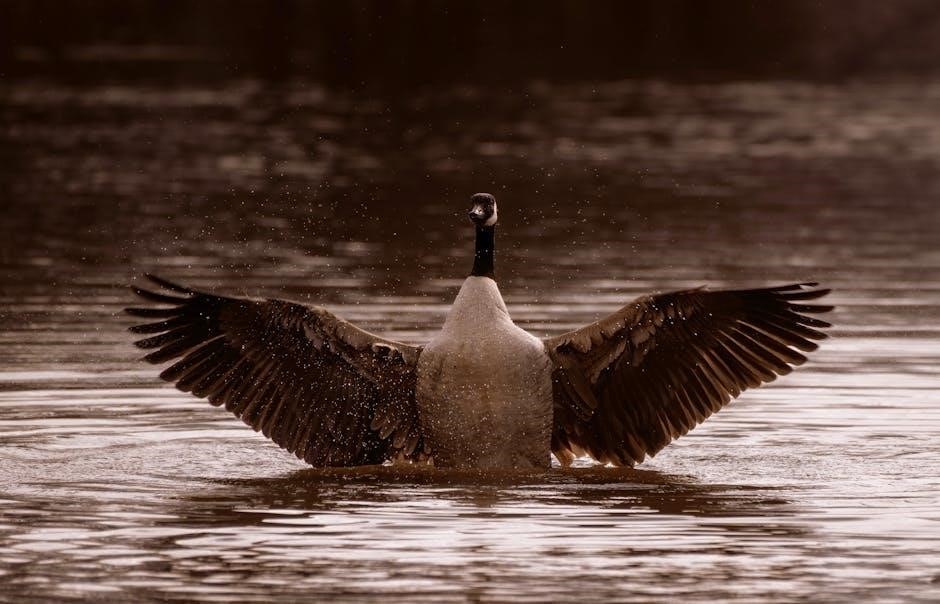
Calling Strategies
Effective waterfowl calling is an art form‚ crucial for attracting birds in Washington’s diverse landscapes. Mastering various calls – quacks‚ honks‚ whistles – mimicking natural sounds is key. Different species respond to distinct calls; mallards require different techniques than geese or pintails. Calling cadence and volume must adapt to hunting conditions and bird behavior.
Experienced guides demonstrate proper calling techniques‚ teaching hunters to create realistic soundscapes. They emphasize the importance of subtle variations and responding to bird reactions. Overcalling can spook birds‚ while insufficient calling may go unnoticed. Practice and observation are vital for honing calling skills and maximizing hunting success.
Blind Setup and Camouflage
Successful waterfowl hunting in Washington hinges on concealment. Proper blind setup and camouflage are paramount to avoid detection by wary birds. Layout blinds‚ pit blinds‚ or natural vegetation blinds offer varying levels of cover‚ depending on the terrain and target species. Positioning is critical; consider wind direction‚ sunlight‚ and anticipated flight paths.
Effective camouflage involves blending with the surrounding environment. Utilize natural vegetation‚ camouflage netting‚ and appropriate clothing in muted tones. Face and hands are often overlooked – ensure they are fully concealed. A well-constructed blind‚ combined with meticulous camouflage‚ dramatically increases your chances of a successful hunt‚ remaining unseen by approaching waterfowl.
Retrieving Birds
Efficient and ethical bird retrieval is a crucial aspect of any Washington waterfowl hunt. A well-trained retriever is invaluable‚ especially in cold water or dense cover. However‚ responsible hunters are prepared for situations where a dog isn’t available or conditions are challenging.
Waders or a boat are often necessary for safe and effective retrieval. Always prioritize safety‚ assessing water depth‚ currents‚ and potential hazards. Mark downed birds carefully to minimize search time and disturbance to the area. Prompt retrieval prevents loss and ensures birds are harvested respectfully. Consider using brightly colored bumpers or flags to aid in locating downed birds quickly.
Ethical Hunting Practices
Upholding ethical standards is paramount for Washington waterfowl hunters and guides. This begins with a commitment to fair chase‚ ensuring birds have a reasonable opportunity to escape. Responsible hunters prioritize respect for wildlife‚ taking only necessary shots and striving for clean kills to minimize suffering.
Habitat conservation is equally vital; guides should actively promote responsible land use and support wetland preservation efforts. Hunter safety is non-negotiable‚ demanding strict adherence to firearm handling rules and awareness of surroundings. Ethical conduct fosters a positive image of hunting and ensures its sustainability for future generations‚ preserving Washington’s rich waterfowl heritage.
Fair Chase Principles
Fair chase dictates a level playing field between hunter and bird‚ a cornerstone of ethical waterfowl hunting in Washington State. This means avoiding practices that give an unfair advantage‚ such as shooting birds on the water when they cannot escape‚ or utilizing electronic calls where prohibited.
Responsible guides prioritize skillful hunting over guaranteed success. They emphasize proper decoy placement‚ realistic calling techniques‚ and patient waiting‚ allowing birds a reasonable chance to avoid detection. Fair chase isn’t simply about legality; it’s about respecting the animal and the sporting tradition‚ ensuring a challenging and rewarding hunt for all involved.
Respect for Wildlife and Habitat
A reputable Washington waterfowl guide demonstrates profound respect for both the birds pursued and the ecosystems they inhabit. This extends beyond legal compliance‚ encompassing a commitment to conservation and sustainable hunting practices. Guides actively minimize disturbance to sensitive wetland areas‚ avoiding unnecessary vegetation removal or alteration of natural drainage patterns.
Responsible retrieval of downed birds is paramount‚ ensuring no birds are left to scavengers. Guides also educate clients on the importance of habitat preservation‚ promoting responsible land use and supporting conservation efforts. Respecting wildlife means valuing the entire ecosystem‚ ensuring future generations can enjoy the same hunting opportunities.
Hunter Safety
A cornerstone of any ethical Washington waterfowl guide’s service is unwavering dedication to hunter safety. This begins with thorough pre-hunt briefings covering firearm handling‚ safe zone-of-fire principles‚ and proper blind etiquette. Guides consistently reinforce safe gun practices throughout the hunt‚ actively monitoring client behavior and intervening when necessary.
First-aid training and readily available safety equipment – including first-aid kits‚ communication devices‚ and signaling tools – are non-negotiable. Guides prioritize awareness of surrounding conditions‚ including weather changes and potential hazards. They ensure clients understand and adhere to all applicable safety regulations‚ fostering a secure and responsible hunting environment for everyone involved.